Free Printable Paper Set | Join Studio Notes
7 Ways to Use Collage Papers in Art Journals and Mixed Media
Ways to use collage papers in art journals, mixed media, and collage artwork. Simple ideas for layering color, pattern, and texture.
3 min read
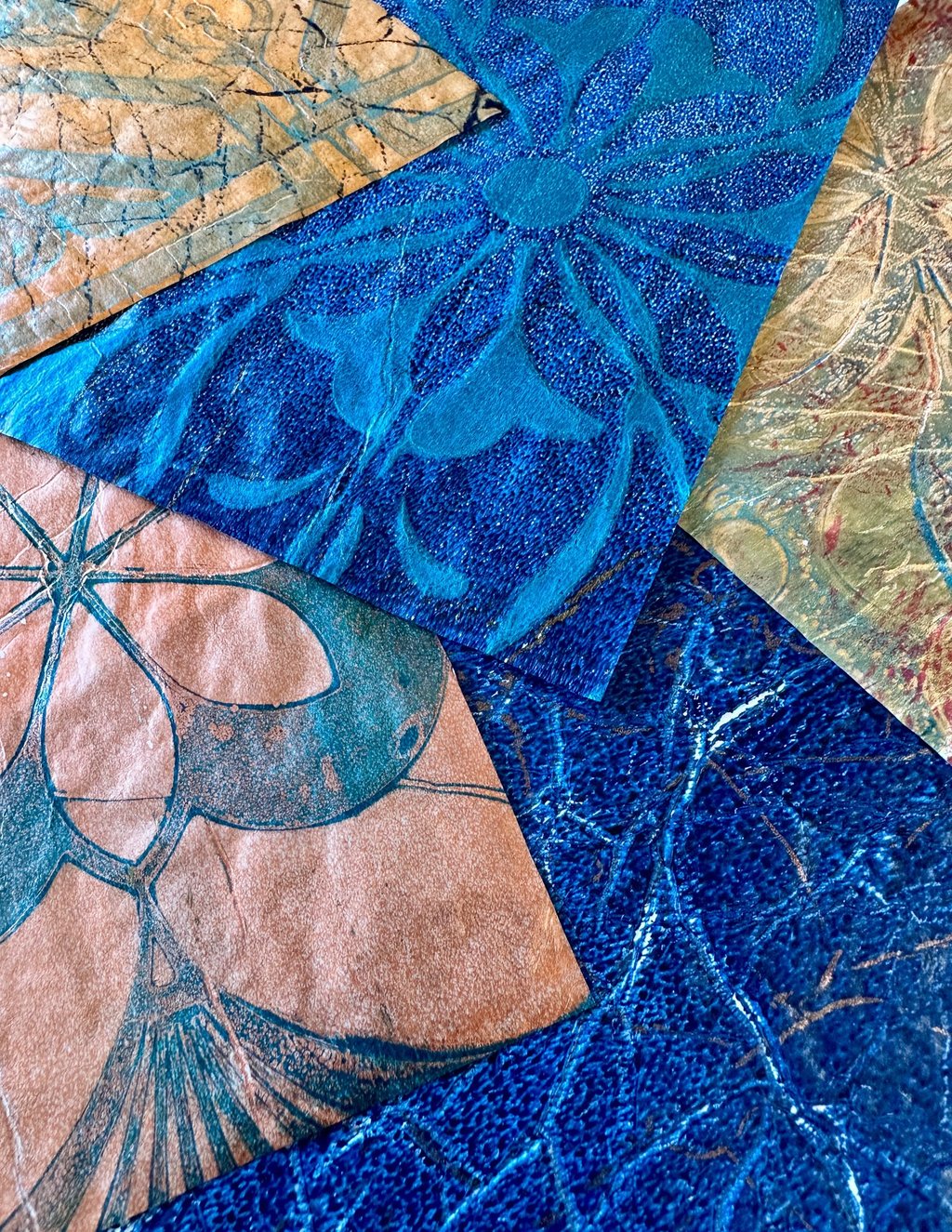
Collage papers are one of the most versatile materials for creative work.
They can be layered, torn, cut, and combined to create depth and movement in collage, journals, and mixed media artwork.
Because each paper carries its own color, pattern, and texture, the possibilities are nearly endless.
Below are several ways artists commonly use collage papers in their work.
1. Art Journal Backgrounds
One of the most popular ways to use collage papers is to build layered backgrounds in an art journal.
Large pieces can be glued directly to a page to establish a base of color and texture. Then additional marks can be added with drawing or painting... or smaller pieces of collage papers or fodder.
Using translucent papers is especially beautiful because the underlying layers still show through, creating subtle details and depth.
2. Collage Artwork
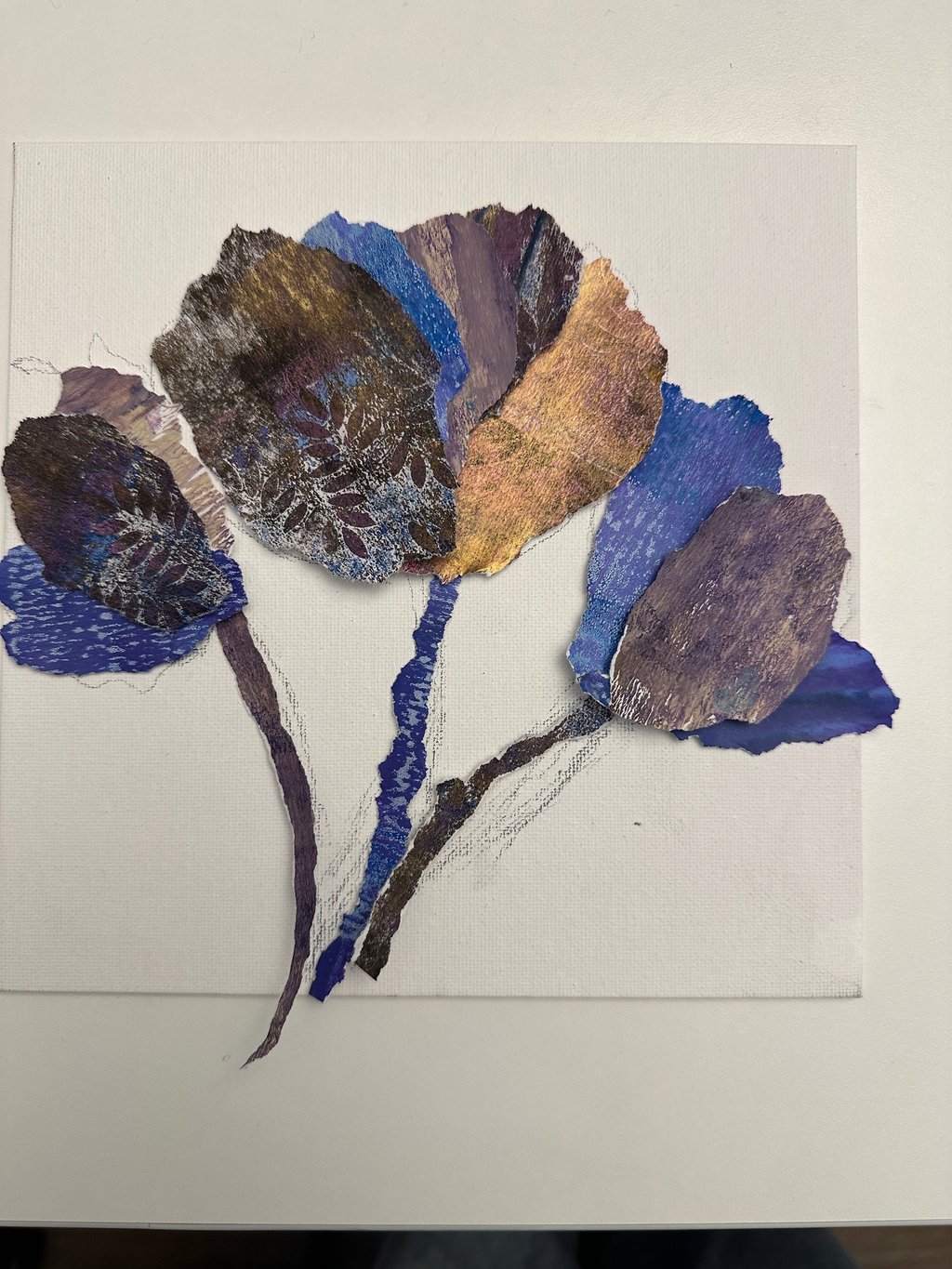
Collage papers can also become the primary material in a finished artwork.
Artists often tear or cut shapes from different papers and arrange them into compositions, layering color and pattern to create visual rhythm and contrast.
Because each paper is unique, every collage develops its own character.
3. Mixed Media Layers
In mixed media work, collage papers are often used as one layer among many.
They may sit beneath paint, marks, or drawing, or they may be added near the end of a piece to bring color and pattern into specific areas.
This layering approach creates complexity without requiring every element to be painted by hand.
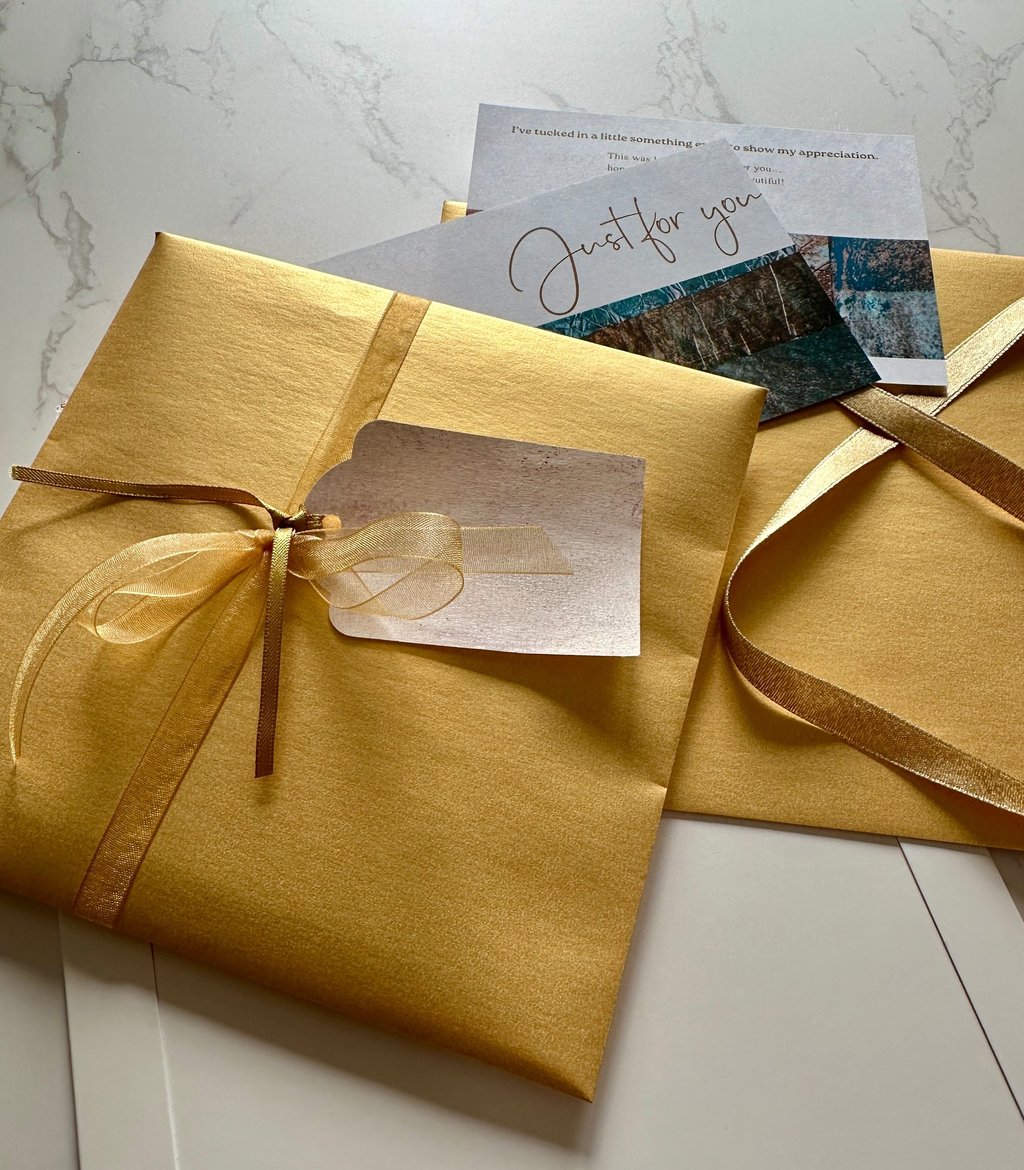
4. Handmade Tags and Cards
Small sections of collage papers can be used to create gift tags, greeting cards, or decorative paper elements.
The variety of color and pattern makes it easy to combine pieces into visually interesting compositions even in small formats.
5. Scrapbook Accents
Collage papers also work beautifully in scrapbooks.
They can be torn into borders, cut into shapes using scissors or punches, or layered behind photographs to add color and visual interest to a page.
They also work well as small layered details that help tie a page together without overwhelming photos or journaling.
6. Decorative Paper Elements
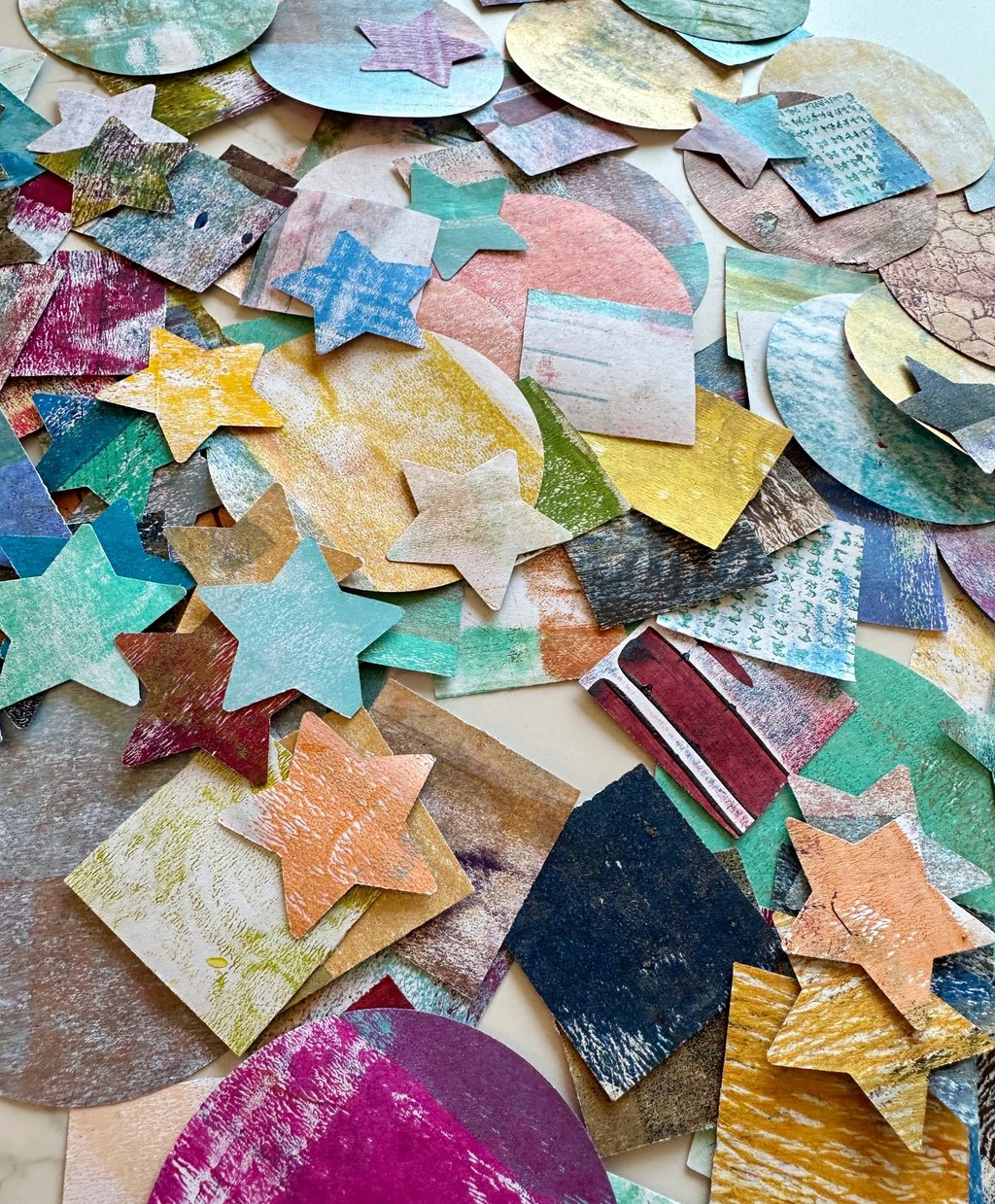
Artists often cut or tear collage papers into circles, shapes, or strips to create reusable decorative elements.
These pieces can be stored and added to future collage projects.
Keeping a small collection of cut shapes on hand can make it easier to begin a new piece or add a finishing detail later on.
7. Building a Personal Collage Paper Library
Many artists collect collage papers over time, building a personal library of colors and patterns that can be drawn from whenever inspiration strikes.
Having a variety of papers on hand makes it easier to experiment and create new compositions.
Collage papers invite experimentation and exploration. They can create unique designs and depth in your creative work.
Whether used in journals, mixed media artwork, scrapbooks, or paper crafts, they bring color, pattern, and texture into creative work in a way that paint alone cannot.
If you're new to collage papers, you may enjoy reading What Are Collage Papers?
If you’re building your own collection, you can explore the current collage paper sets.
Or join Studio Notes for early access to new releases and a complimentary sample set.
Painted Layer Studio
Printable papers, custom orders, and studio mail
Studio Notes
© 2026. All rights reserved.